
The allure of the mountain trails, with their rugged ascents and exhilarating descents, draws countless adventurers....
Latest posts
-
 How to choose an all-terrain carbon mountain bike for your adventures?Read more
 -
 What are the benefits of a shock-absorbing carbon mountain bike?Read more
Mountain biking is a thrilling sport that demands both physical prowess and specialized equipment. One key component...
-
 How to select a racing road bike for maximum performance?Read more
The thrill of speed, the wind whipping past your face, and the satisfying burn in your legs - cycling is a pursuit...
-
 What makes a carbon road bike ideal for competitive cycling?Read more
The world of competitive cycling is a demanding one, where fractions of a second can mean the difference between...
-
 Are clip-on pedals with reflectors worth it for mountain biking?Read more
Mountain biking is a thrilling sport that takes you off the beaten path and onto rugged trails. But as with any...
-
 What is the purpose of a speedometer rack mount for road bikes?Read more
When it comes to cycling, knowing your speed is more than just a bragging right. It's crucial for safety,...
-
 Why are carbon fiber fenders a good choice for bicycles?Read more
For cyclists seeking to improve their bike's performance and aesthetics, carbon fiber components are often a top...
-
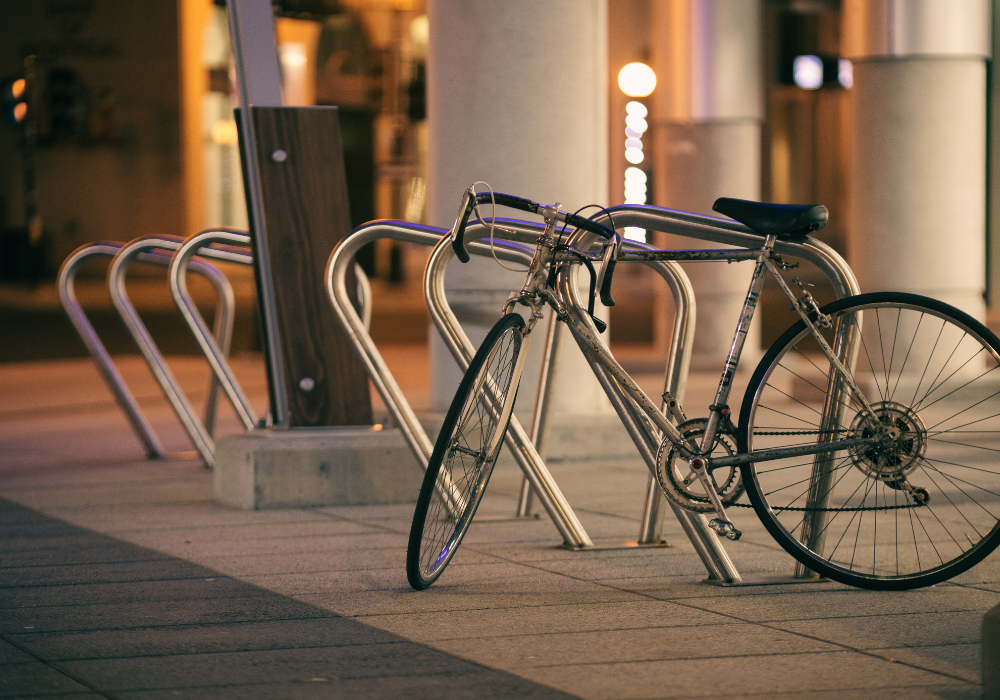 How to choose the right bicycle parking stand for your bike?Read more
Protecting your bicycle from the elements and theft is crucial, especially if you ride frequently. A sturdy bike...
-
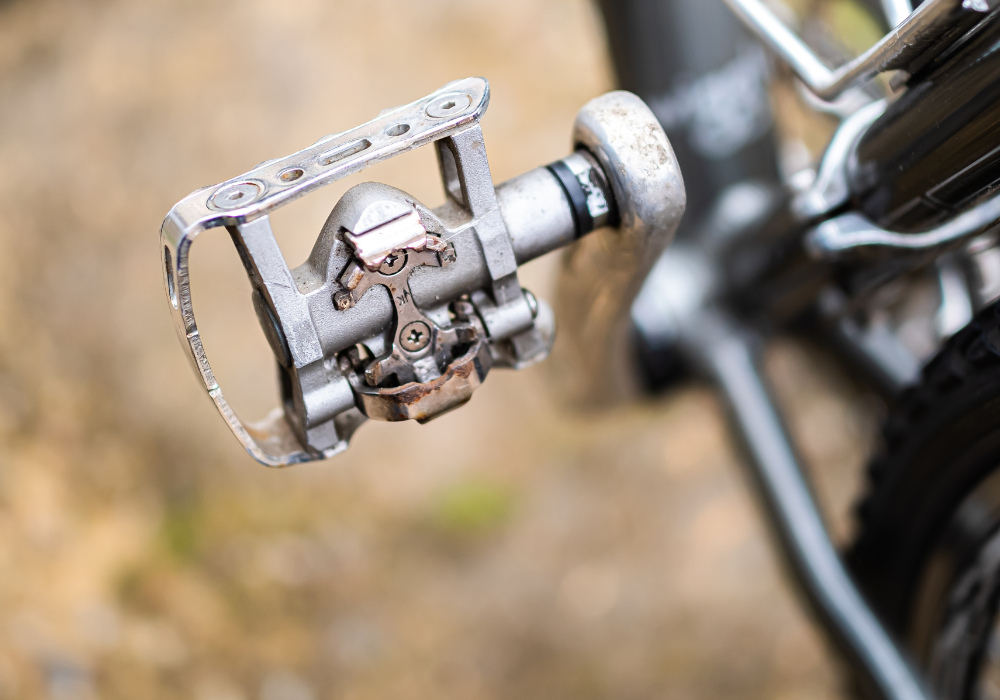 What are the benefits of using SPD pedals on a mountain bike?Read more
Mountain biking is a thrilling sport that demands both power and precision. Every component on your bike plays a role...
-
 Why is a portable phone bracket essential for cyclists?Read more
The open road beckons, promising adventure and exhilarating freedom. For cyclists, the journey isn't just about...
Blog categories
Search in blog
Archived posts
What are the benefits of using SPD pedals on a mountain bike?
Why Choose SPD Pedals for Mountain Biking?
SPD pedals stand for Shimano Pedaling Dynamics, but their benefits extend far beyond a single brand. They utilize a cleat system that securely attaches your cycling shoe to the pedal, allowing for efficient power transfer and superior control.
Increased Power Transfer
Traditional flat pedals rely on friction alone to keep your foot in place. This can lead to energy loss as your foot slips slightly with each pedal stroke. SPD pedals, however, directly engage your cleat into the pedal mechanism, creating a direct link between your legs and the bike. This eliminates wasted energy and maximizes power output for climbs and sprints.
Improved Control and Precision
The secure connection provided by SPD pedals translates to enhanced control over your bike. You can precisely position your feet and apply force with greater accuracy, particularly when navigating technical trails or tackling steep descents. This level of control allows you to maintain stability and confidently navigate challenging terrain.
Enhanced Efficiency
With a direct link between your foot and the pedal, SPD pedals allow for smoother and more efficient pedaling. You can use both the push and pull phases of the pedal stroke with greater efficiency, leading to reduced fatigue and improved endurance over longer rides.
Walkability and Convenience
While mountain biking often involves off-bike maneuvers, SPD cleats are designed for walkability. You can easily clip out of your pedals and navigate obstacles or hike short distances without struggling to keep your balance.
Getting Started with SPD Pedals
Choosing the Right Cleats
Cleats are essential components that attach to your cycling shoes and interface with the pedals. When selecting cleats, consider factors such as:
- Release tension: This determines how easily you can clip out of the pedals. Adjust it based on your preference and riding style.
- Float: Some cleats offer a degree of ankle rotation (float), which can provide greater comfort and reduce knee strain.
Important Considerations
While SPD pedals offer numerous advantages, there are a few things to consider before making the switch:
Learning Curve
There is a slight learning curve associated with using SPD pedals. It takes some practice to clip in and out smoothly and confidently.
Risk of Falling
If you're not used to clipping out, there's a risk of falling if your foot unexpectedly unclips while riding. Practice disengaging your cleats in a controlled environment before hitting the trails.
Limited Flat Pedal Compatibility
SPD pedals are designed for use with cycling shoes that have compatible cleats. You won't be able to wear regular flat-soled shoes with them.
Maintenance
Like any mechanical component, SPD pedals require regular maintenance to ensure optimal performance and longevity. Clean your pedals after each ride to remove dirt and debris that can interfere with smooth operation. Lubricate the bearings periodically using a bicycle-specific lubricant to reduce friction and extend their lifespan.
SPD Pedal Types
There are various types of SPD pedals available, each catering to different riding styles and preferences:
- Platform Pedals with SPD Cleat Inserts: These combine the benefits of both platform and clipless pedals. They offer a larger platform for stability and a secure clipping mechanism for efficient pedaling.
- Gravity-Oriented Pedals (e.g., XT Trail): Designed for downhill and enduro riding, these pedals feature wider platforms, increased grip, and adjustable cleats for improved control on steep descents.
- Lightweight Pedals: Made from materials like titanium or carbon fiber, these prioritize weight reduction without sacrificing performance. Ideal for cross-country and marathon racing.
Choosing the Right Shoes
Investing in a pair of cycling shoes specifically designed for SPD cleats is crucial for optimal performance and comfort. Consider these factors when choosing your footwear:
- Fit: Proper fit is essential to prevent discomfort and hot spots during extended rides.
- Stiffness Index: A higher stiffness index provides more efficient power transfer but may be less comfortable for long days in the saddle.
- Ventilation: Breathable materials help keep your feet cool and dry, especially in warm weather.
Adjusting Cleat Position
The position of your cleats on your shoes significantly impacts your pedaling efficiency and comfort. Experiment with different cleat positions to find what works best for you. Consider factors like:
- Fore-Aft Position: Adjust the cleat's fore-aft position to balance pressure distribution and optimize pedal stroke efficiency.
- Inward/Outward Angle:** Fine-tune the inward or outward angle of your cleats to address any knee pain or discomfort during pedaling.
Leave a comment