
The allure of the mountain trails, with their rugged ascents and exhilarating descents, draws countless adventurers....
Latest posts
-
 How to choose an all-terrain carbon mountain bike for your adventures?Read more
 -
 What are the benefits of a shock-absorbing carbon mountain bike?Read more
Mountain biking is a thrilling sport that demands both physical prowess and specialized equipment. One key component...
-
 How to select a racing road bike for maximum performance?Read more
The thrill of speed, the wind whipping past your face, and the satisfying burn in your legs - cycling is a pursuit...
-
 What makes a carbon road bike ideal for competitive cycling?Read more
The world of competitive cycling is a demanding one, where fractions of a second can mean the difference between...
-
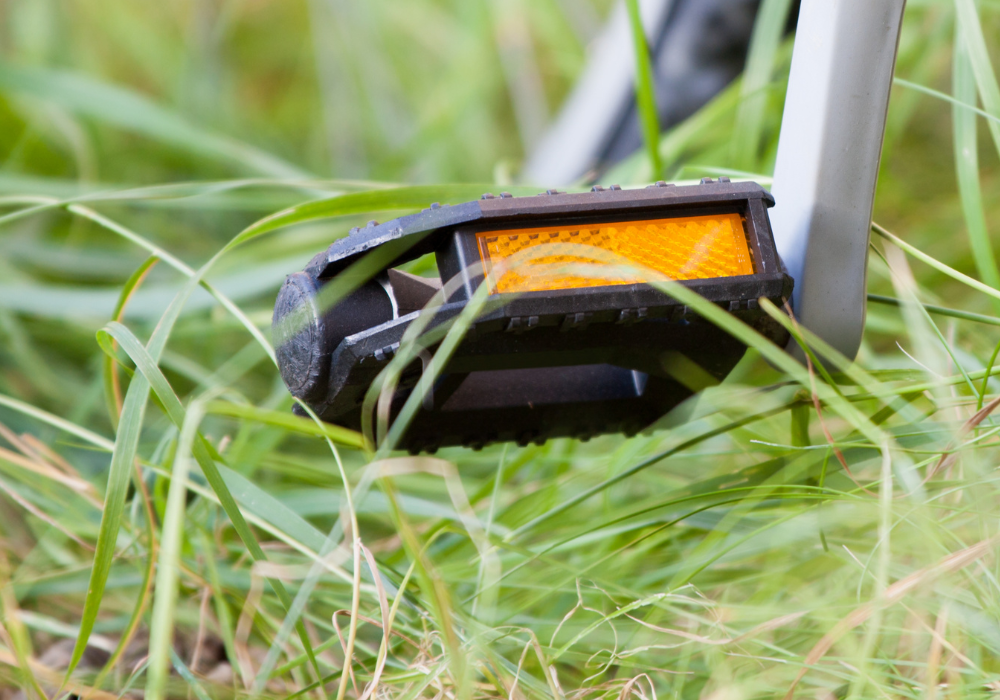 Are clip-on pedals with reflectors worth it for mountain biking?Read more
Mountain biking is a thrilling sport that takes you off the beaten path and onto rugged trails. But as with any...
-
 What is the purpose of a speedometer rack mount for road bikes?Read more
When it comes to cycling, knowing your speed is more than just a bragging right. It's crucial for safety,...
-
 Why are carbon fiber fenders a good choice for bicycles?Read more
For cyclists seeking to improve their bike's performance and aesthetics, carbon fiber components are often a top...
-
 How to choose the right bicycle parking stand for your bike?Read more
Protecting your bicycle from the elements and theft is crucial, especially if you ride frequently. A sturdy bike...
-
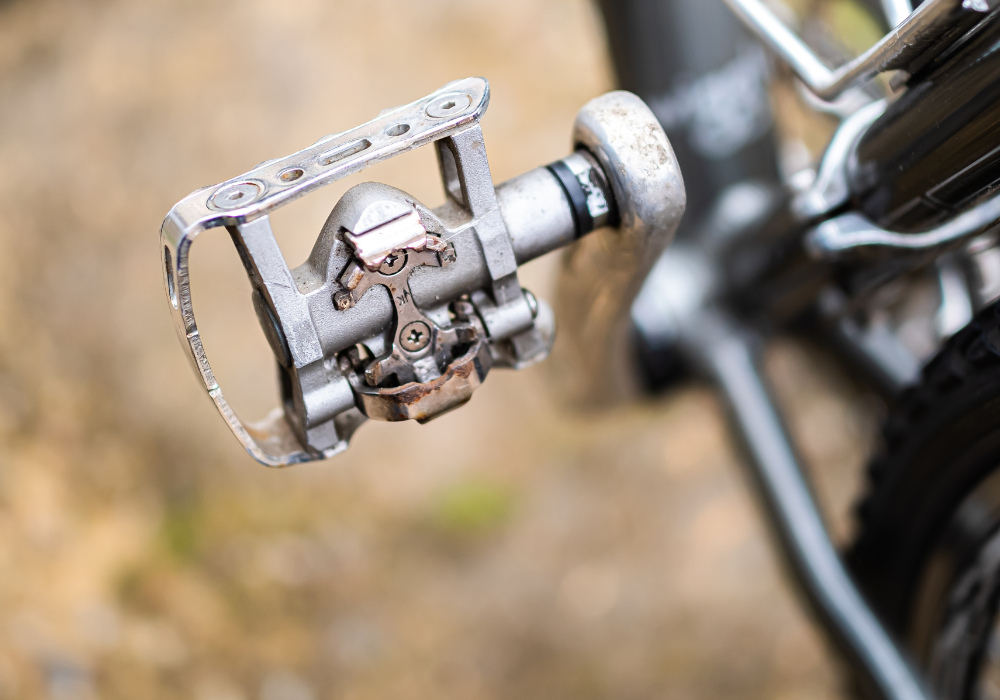 What are the benefits of using SPD pedals on a mountain bike?Read more
Mountain biking is a thrilling sport that demands both power and precision. Every component on your bike plays a role...
-
 Why is a portable phone bracket essential for cyclists?Read more
The open road beckons, promising adventure and exhilarating freedom. For cyclists, the journey isn't just about...
Blog categories
Search in blog
Archived posts
What makes a carbon road bike ideal for competitive cycling?
The Science of Speed: Carbon Fiber Construction
At the heart of a competitive carbon road bike lies its innovative construction. Carbon fiber, a composite material made from thin strands of carbon woven together and then cured under high pressure, offers unparalleled properties that are essential for racing success.
Lightweight Advantage
Carbon fiber's remarkable strength-to-weight ratio allows manufacturers to build bikes that are significantly lighter than their aluminum counterparts. This reduced weight translates directly into performance gains. Less mass means less energy expenditure for the rider, allowing them to accelerate quicker, climb hills with greater ease, and maintain higher speeds on flat sections.
Stiffness and Power Transfer
A rigid frame is crucial for efficient power transfer in competitive cycling. When a rider pedals, they want that force to be transmitted directly to the wheels with minimal energy loss. Carbon fiber's inherent stiffness provides this essential platform, ensuring that every ounce of effort translates into forward motion.
Beyond the Frame: Design Features for Performance
Handling and Aerodynamics
A competitive road bike isn't just about raw power; it needs to handle well and cut through the air efficiently.
Geometry Optimization
Frame geometry, the angles and dimensions of the tubes, is meticulously designed to provide precise handling characteristics. Racing bikes often feature a more aggressive geometry with a lower bottom bracket and steeper head tube angle, promoting responsiveness and stability at high speeds.
Aerodynamic Considerations
Reducing aerodynamic drag is crucial for minimizing wind resistance. Modern carbon road bikes incorporate features like integrated handlebars, streamlined seatposts, and fork designs that minimize disruption to airflow. These subtle enhancements can shave valuable seconds off race times.
Components: The Supporting Cast
While the frame is the foundation, a competitive bike's performance also depends on high-quality components.
Groupsets
Groupsets, which include shifters, derailleurs, brakes, and chainrings, from renowned manufacturers are essential for precise gear changes, reliable braking, and smooth power transfer.
The Human Element
Ultimately, the most important factor in competitive cycling is the rider. A well-crafted carbon road bike provides a platform for success, but it's the dedication, training, and skill of the athlete that determine victory.
Wheel Systems
Lightweight and aerodynamic wheels are crucial for competitive performance. Carbon fiber wheels, in particular, offer a significant advantage due to their low mass and ability to maintain stiffness under high loads.
These wheels contribute to faster acceleration, improved climbing efficiency, and reduced rolling resistance, allowing riders to conserve energy and maintain speed.
Tires
Choosing the right tires is essential for both performance and safety in competitive cycling.
Racing tires are typically designed with a lower profile and thinner tread to reduce rolling resistance and improve grip.
- The choice of tire compound (rubber) also plays a role, with harder compounds offering greater durability and puncture resistance while softer compounds provide superior grip in wet or dry conditions.
Maintenance and Tuning
Competitive cyclists understand the importance of meticulous bike maintenance. Regular cleaning, lubrication, and component adjustments are essential for optimizing performance and preventing mechanical issues during races.
A properly tuned bike will shift smoothly, brake effectively, and handle predictably, giving riders a competitive edge.
Training and Adaptation
While a high-performance carbon road bike provides a significant advantage, it's important to remember that the human element is paramount in competitive cycling.
Riders must dedicate themselves to rigorous training regimens, fine-tune their nutrition and hydration strategies, and develop mental resilience to excel at the highest level.
Choosing the Right Bike
Selecting a carbon road bike for competitive cycling requires careful consideration of individual needs and riding style.
- Factors such as height, weight, experience level, and intended use (road racing, time trials, or endurance events) should all be taken into account.
Consulting with Experts
It's highly recommended to consult with experienced bike fitters or coaches who can provide personalized guidance and recommendations based on a rider's specific requirements.
The Future of Carbon Road Bikes
Carbon fiber technology continues to evolve, with advancements in material science and manufacturing processes leading to lighter, stronger, and more aerodynamic bikes.
Future innovations may include:
- Even greater weight reductions through the use of novel carbon layups and composite materials.
- Enhanced stiffness and damping characteristics for improved ride comfort and performance.
- Integration of smart sensors and data analytics for personalized training feedback and real-time performance monitoring.
Leave a comment