
The allure of the mountain trails, with their rugged ascents and exhilarating descents, draws countless adventurers....
Latest posts
-
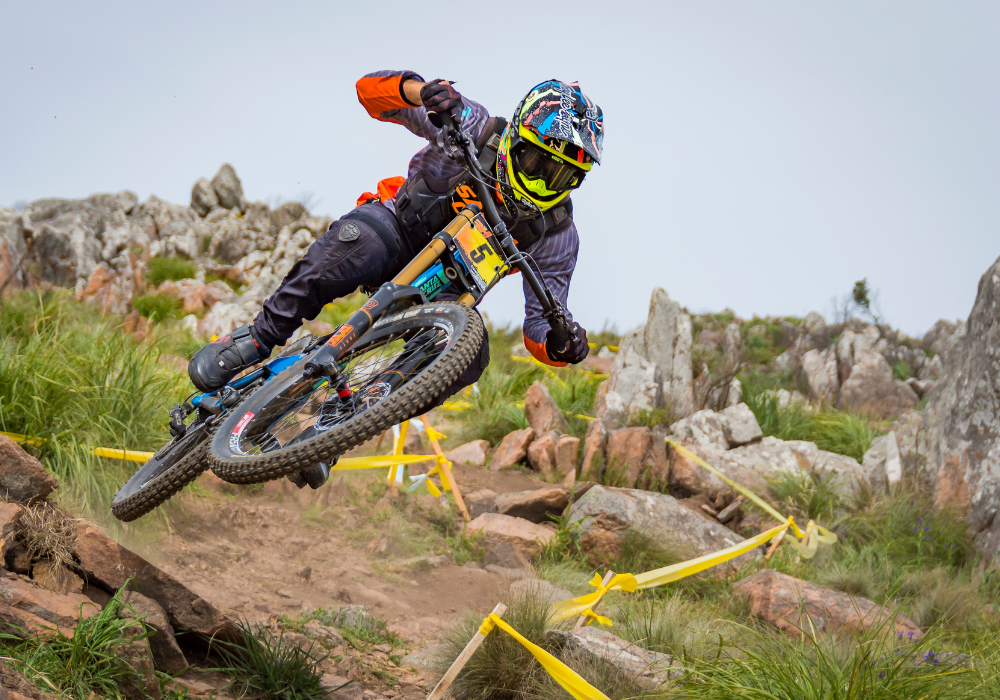 How to choose an all-terrain carbon mountain bike for your adventures?Read more
 -
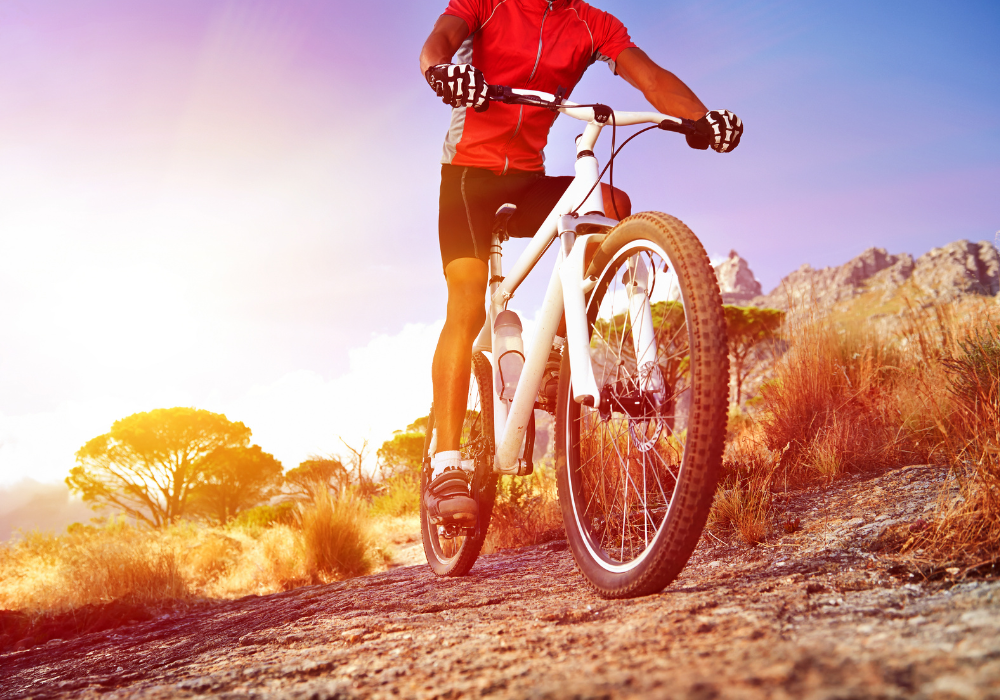 What are the benefits of a shock-absorbing carbon mountain bike?Read more
Mountain biking is a thrilling sport that demands both physical prowess and specialized equipment. One key component...
-
 How to select a racing road bike for maximum performance?Read more
The thrill of speed, the wind whipping past your face, and the satisfying burn in your legs - cycling is a pursuit...
-
 What makes a carbon road bike ideal for competitive cycling?Read more
The world of competitive cycling is a demanding one, where fractions of a second can mean the difference between...
-
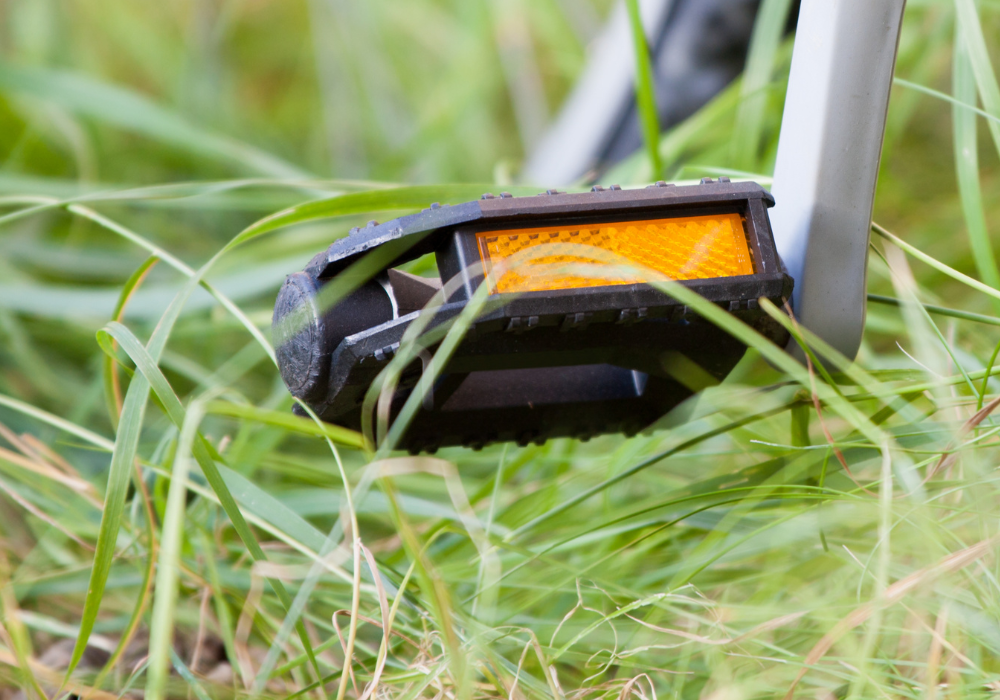 Are clip-on pedals with reflectors worth it for mountain biking?Read more
Mountain biking is a thrilling sport that takes you off the beaten path and onto rugged trails. But as with any...
-
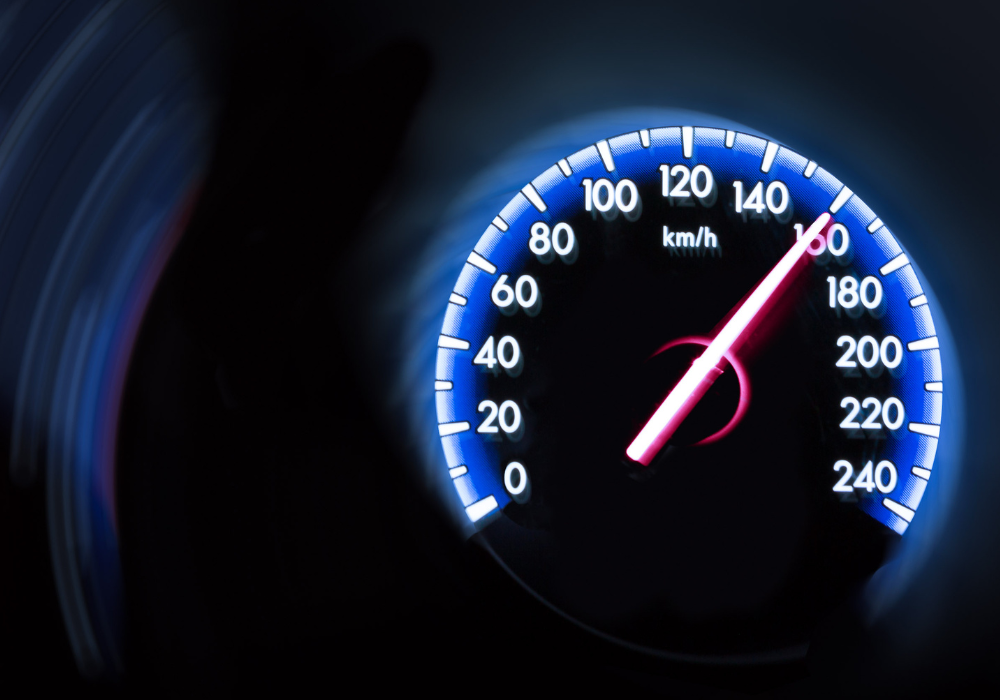 What is the purpose of a speedometer rack mount for road bikes?Read more
When it comes to cycling, knowing your speed is more than just a bragging right. It's crucial for safety,...
-
 Why are carbon fiber fenders a good choice for bicycles?Read more
For cyclists seeking to improve their bike's performance and aesthetics, carbon fiber components are often a top...
-
 How to choose the right bicycle parking stand for your bike?Read more
Protecting your bicycle from the elements and theft is crucial, especially if you ride frequently. A sturdy bike...
-
 What are the benefits of using SPD pedals on a mountain bike?Read more
Mountain biking is a thrilling sport that demands both power and precision. Every component on your bike plays a role...
-
 Why is a portable phone bracket essential for cyclists?Read more
The open road beckons, promising adventure and exhilarating freedom. For cyclists, the journey isn't just about...
Blog categories
Search in blog
Archived posts
How to choose an all-terrain carbon mountain bike for your adventures?
Understanding Your Needs
Before diving into the specifics of frame materials, suspension systems, or component groups, take a moment to assess your riding goals. What type of terrain will you be conquering most often? Do you prefer fast-paced descents or technical climbs? Will you be tackling long distances or short, intense rides?
Consider these factors:
- Terrain Type: Smooth singletrack, rocky trails, steep climbs, technical descents
- Riding Style: Cross-country, enduro, downhill, all-mountain
- Distance and Duration: Short rides, long epics, weekend adventures
Frame Material: Carbon Fiber
Carbon fiber has become the go-to material for high-performance mountain bikes due to its exceptional strength-to-weight ratio. It allows manufacturers to create frames that are incredibly lightweight while remaining remarkably durable. This translates into improved efficiency on climbs, enhanced handling agility, and a more comfortable ride overall.
Key Components: Suspension Systems
Suspension systems play a crucial role in absorbing shocks and providing traction over uneven terrain. Two primary suspension types dominate the all-terrain carbon mountain bike landscape:
Front Suspension (Hardtail)
Hardtails feature front suspension only, offering efficient power transfer for climbing and a responsive ride feel on smooth trails. They are ideal for cross-country riders who prioritize efficiency and affordability.
Full Suspension
Full-suspension bikes incorporate both front and rear suspension, providing superior comfort and control over rough terrain. This setup excels in tackling descents, absorbing impacts, and maintaining traction on technical trails. It's favored by enduro, downhill, and all-mountain riders seeking maximum performance and versatility.
Component Groups: Matching Your Needs
Mountain bike components, including drivetrains, brakes, and wheels, significantly impact performance and durability. Consider your riding style and budget when choosing a component group:
- Drivetrain: 1x or 2x setup, gear range (number of gears), cassette size
- Brakes: Hydraulic disc brakes for superior stopping power and modulation
- Wheels: Tubeless-ready rims for puncture resistance and improved ride quality
Setting Your Budget
All-terrain carbon mountain bikes come in a wide range of prices, reflecting the quality of materials, components, and brand reputation. Determine your budget beforehand to narrow down your options.
Finding the Perfect Fit
Once you've considered your riding style, terrain preferences, and budget, visit a reputable bike shop for test rides. Experiencing different bikes firsthand will help you determine the best fit for your body size, riding position, and personal preferences.
Geometry and Frame Design
The geometry of a mountain bike dictates its handling characteristics and overall ride feel. Pay attention to key measurements like head tube angle, seat tube angle, chainstay length, and wheelbase. These factors influence stability, responsiveness, and climbing efficiency.
- Head Tube Angle: A steeper angle promotes quicker handling and agility, while a slacker angle enhances stability at high speeds and on descents.
- Seat Tube Angle: A steeper seat tube angle increases pedaling efficiency and power transfer, while a slacker angle provides a more relaxed riding position.
- Chainstay Length: Shorter chainstays offer increased agility and responsiveness, while longer chainstays provide greater stability and traction.
- Wheelbase: A longer wheelbase improves stability at high speeds and on rough terrain, while a shorter wheelbase enhances maneuverability in tight spaces.
Frame design also plays a crucial role. Consider the frame material (carbon fiber for its lightweight and stiffness), suspension integration (internal or external routing), and overall aesthetics.
Additional Features
Some all-terrain carbon mountain bikes come equipped with additional features that enhance performance, comfort, and convenience:
- Internal Cable Routing: This sleek design eliminates cable friction and improves aerodynamics.
- Boost Hub Spacing: Wider hub spacing provides increased stiffness and strength for demanding trails.
- Adjustable Suspension Damping: Fine-tune your suspension performance based on trail conditions and riding style.
- Mudguard Mounts: Protect yourself from dirt and debris with easily attachable mudguards.
Research and Read Reviews
Before making a purchase, thoroughly research different brands and models. Explore online reviews, watch video comparisons, and consult with experienced riders. Reading firsthand accounts can provide valuable insights into the pros and cons of each bike.
Test Ride and Choose
Ultimately, the best way to find the perfect all-terrain carbon mountain bike is to test ride several options. Visit reputable bike shops and spend time on different trails to assess handling, comfort, and overall performance. Trust your instincts and choose the bike that feels most natural and enjoyable to ride.
Leave a comment