
The allure of the mountain trails, with their rugged ascents and exhilarating descents, draws countless adventurers....
Latest posts
-
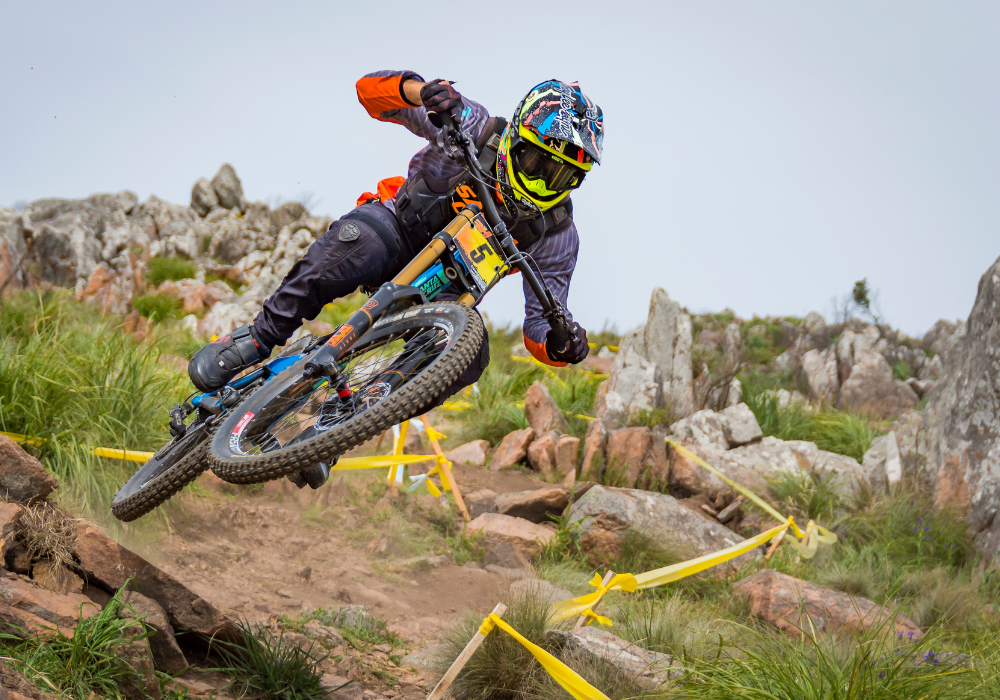 How to choose an all-terrain carbon mountain bike for your adventures?Read more
 -
 What are the benefits of a shock-absorbing carbon mountain bike?Read more
Mountain biking is a thrilling sport that demands both physical prowess and specialized equipment. One key component...
-
 How to select a racing road bike for maximum performance?Read more
The thrill of speed, the wind whipping past your face, and the satisfying burn in your legs - cycling is a pursuit...
-
 What makes a carbon road bike ideal for competitive cycling?Read more
The world of competitive cycling is a demanding one, where fractions of a second can mean the difference between...
-
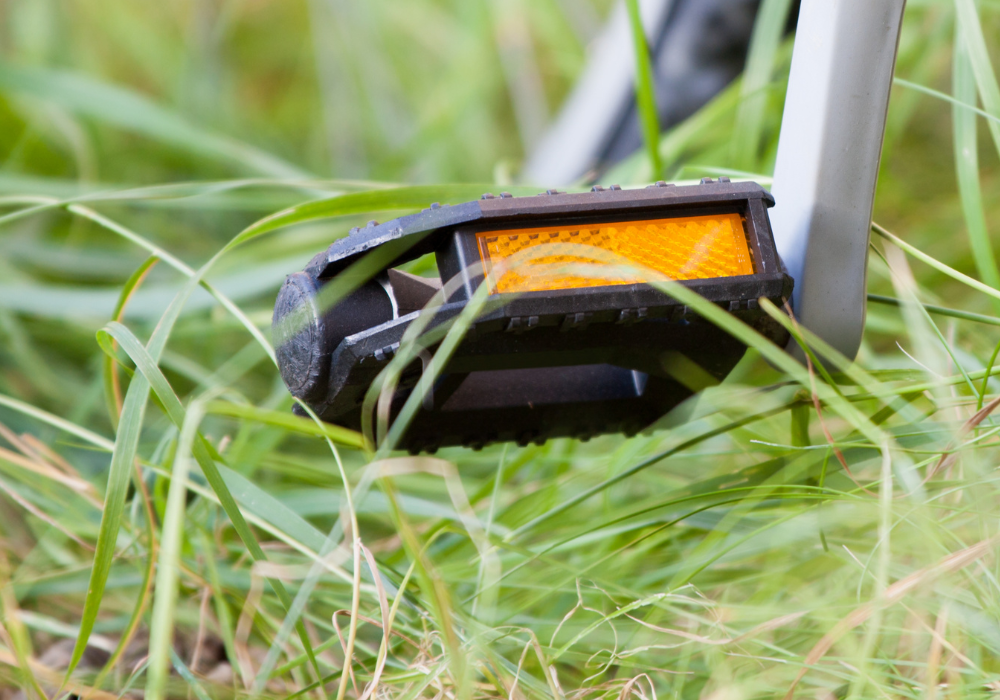 Are clip-on pedals with reflectors worth it for mountain biking?Read more
Mountain biking is a thrilling sport that takes you off the beaten path and onto rugged trails. But as with any...
-
 What is the purpose of a speedometer rack mount for road bikes?Read more
When it comes to cycling, knowing your speed is more than just a bragging right. It's crucial for safety,...
-
 Why are carbon fiber fenders a good choice for bicycles?Read more
For cyclists seeking to improve their bike's performance and aesthetics, carbon fiber components are often a top...
-
 How to choose the right bicycle parking stand for your bike?Read more
Protecting your bicycle from the elements and theft is crucial, especially if you ride frequently. A sturdy bike...
-
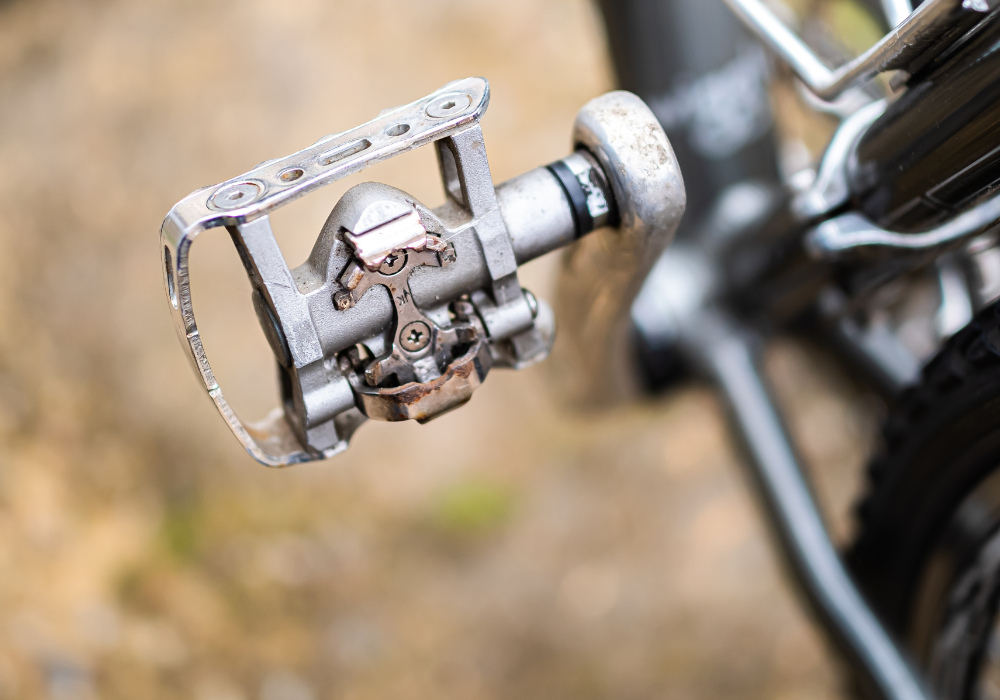 What are the benefits of using SPD pedals on a mountain bike?Read more
Mountain biking is a thrilling sport that demands both power and precision. Every component on your bike plays a role...
-
 Why is a portable phone bracket essential for cyclists?Read more
The open road beckons, promising adventure and exhilarating freedom. For cyclists, the journey isn't just about...
Blog categories
Search in blog
Archived posts
What should you consider when buying a carbon fiber mountain bike?
Frame Geometry
The shape and dimensions of a carbon fiber mountain bike's frame significantly influence its handling characteristics. Consider the intended terrain and your riding style when evaluating geometry.
Head Tube Angle
A steeper head tube angle generally results in quicker, more agile handling, ideal for tight trails and technical descents. Conversely, a slacker angle promotes stability at high speeds and on rough terrain.
Seat Tube Angle
The seat tube angle impacts pedaling efficiency and climbing performance. A steeper angle encourages a more upright riding position, which can be beneficial for efficient power transfer. A slacker angle allows for a more stretched-out position, often favored by downhill riders or those who prioritize comfort on long rides.
Reach and Stack
Reach refers to the horizontal distance from the bottom bracket to the head tube center, while stack measures the vertical distance from the bottom bracket to the top of the head tube. These dimensions influence overall frame size and rider positioning. A longer reach typically suits riders who prefer a more stretched-out position, while a shorter reach can be better for agile maneuvering.
Wheelbase
The wheelbase is the distance between the front and rear axles. A longer wheelbase generally enhances stability at higher speeds and on rough terrain, whereas a shorter wheelbase promotes quicker turning.
Suspension Systems
Carbon fiber mountain bikes often feature sophisticated suspension systems designed to absorb trail chatter and provide a comfortable and controlled ride.
Front Suspension
Most carbon fiber mountain bikes come equipped with front suspension forks, offering varying levels of travel (the amount the fork can compress). Choose a fork based on your riding style and terrain. Trail riders often opt for 120-140mm of travel, while enduro or downhill riders might prefer 160mm or more.
Rear Suspension
Carbon fiber frames offer excellent integration with rear suspension systems. Common types include:
- Single Pivot: These designs utilize a single pivot point for rear wheel movement, often offering direct and efficient power transfer but potentially less complex suspension kinematics.
- Four-Bar Linkage: These systems employ multiple pivot points to create more progressive suspension curves, capable of absorbing larger impacts and providing a smoother ride.
- Virtual Pivot Point (VPP): A sophisticated design that uses geometry to create an effective pivot point, often resulting in balanced performance across various riding situations.
Travel
Rear suspension travel, like front forks, varies depending on intended use. Trail bikes typically have 120-140mm of rear travel, while enduro and downhill models may feature 150mm or more.
Component Selection
The components that accompany a carbon fiber frame significantly impact the overall performance, durability, and riding experience.
Drivetrain
Choose a drivetrain (crankset, chainrings, cassette) that suits your riding style. For trail riders, a wide gear range with multiple chainring options is beneficial. Enduro or downhill bikes often benefit from larger chainrings for tackling steep climbs and powerful sprints.
Brakes
High-quality brakes are crucial for safety and control on descents. Opt for hydraulic disc brakes, which offer superior stopping power compared to rim brakes.
Wheels and Tires
Carbon fiber wheels can significantly reduce weight and enhance performance, but they also tend to be more expensive. Consider the intended terrain and riding style when selecting wheel size and tire width. Wider tires provide greater grip on loose surfaces and offer a smoother ride over rough terrain.
Budget Considerations
Carbon fiber mountain bikes typically come with a higher price tag compared to their aluminum counterparts. Determine your budget beforehand and prioritize features that are essential for your riding needs.
Frame Geometry
Consider the frame geometry that best suits your riding style and preferences.
- Reach: This measurement determines how far forward the handlebars are positioned from the bottom bracket.
- Stack Height: This affects the overall height of the bike and how comfortable you feel in an upright or more aggressive position.
- Seat Tube Angle: A steeper angle promotes climbing efficiency, while a slacker angle enhances stability at high speeds.
- Head Tube Angle: A steeper head tube angle provides better handling on climbs and tight trails, while a slacker angle is preferred for descending and stable cornering.
Intended Riding Terrain
The terrain you primarily ride will influence your bike choice.
- Trail Bikes: Versatile machines designed for a mix of climbing, descending, and flowy trails.
- Enduro Bikes: Built for aggressive riding on technical descents and challenging climbs.
- Downhill Bikes: Specialized for high-speed downhill racing and extreme terrain.
- Single Pivot: A simple design with a central pivot point, providing direct power transfer but potentially less complex suspension kinematics.
- Four-Bar Linkage: These systems employ multiple pivot points to create more progressive suspension curves, capable of absorbing larger impacts and providing a smoother ride.
- Virtual Pivot Point (VPP): A sophisticated design that uses geometry to create an effective pivot point, often resulting in balanced performance across various riding situations.
Suspension Design
Carbon fiber frames often offer sophisticated suspension systems that enhance performance and comfort.
Travel
Rear suspension travel, like front forks, varies depending on intended use. Trail bikes typically have 120-140mm of rear travel, while enduro and downhill models may feature 150mm or more.
Component Selection
The components that accompany a carbon fiber frame significantly impact the overall performance, durability, and riding experience.
Drivetrain
Choose a drivetrain (crankset, chainrings, cassette) that suits your riding style. For trail riders, a wide gear range with multiple chainring options is beneficial. Enduro or downhill bikes often benefit from larger chainrings for tackling steep climbs and powerful sprints.
Brakes
High-quality brakes are crucial for safety and control on descents. Opt for hydraulic disc brakes, which offer superior stopping power compared to rim brakes.
Wheels and Tires
Carbon fiber wheels can significantly reduce weight and enhance performance, but they also tend to be more expensive. Consider the intended terrain and riding style when selecting wheel size and tire width. Wider tires provide greater grip on loose surfaces and offer a smoother ride over rough terrain.
Budget Considerations
Carbon fiber mountain bikes typically come with a higher price tag compared to their aluminum counterparts. Determine your budget beforehand and prioritize features that are essential for your riding needs.
Additional Factors
Brand Reputation
Research brands known for producing high-quality carbon fiber frames and components. Look for established companies with a history of innovation and customer satisfaction.
Warranty and Customer Support
A reputable brand will offer a comprehensive warranty that covers defects in materials and workmanship. Ensure they provide responsive and helpful customer support in case you encounter any issues.
Reviews and Recommendations
Read online reviews from other riders and seek recommendations from experienced mountain bikers.
Leave a comment