
The allure of the mountain trails, with their rugged ascents and exhilarating descents, draws countless adventurers....
Latest posts
-
 How to choose an all-terrain carbon mountain bike for your adventures?Read more
 -
 What are the benefits of a shock-absorbing carbon mountain bike?Read more
Mountain biking is a thrilling sport that demands both physical prowess and specialized equipment. One key component...
-
 How to select a racing road bike for maximum performance?Read more
The thrill of speed, the wind whipping past your face, and the satisfying burn in your legs - cycling is a pursuit...
-
 What makes a carbon road bike ideal for competitive cycling?Read more
The world of competitive cycling is a demanding one, where fractions of a second can mean the difference between...
-
 Are clip-on pedals with reflectors worth it for mountain biking?Read more
Mountain biking is a thrilling sport that takes you off the beaten path and onto rugged trails. But as with any...
-
 What is the purpose of a speedometer rack mount for road bikes?Read more
When it comes to cycling, knowing your speed is more than just a bragging right. It's crucial for safety,...
-
 Why are carbon fiber fenders a good choice for bicycles?Read more
For cyclists seeking to improve their bike's performance and aesthetics, carbon fiber components are often a top...
-
 How to choose the right bicycle parking stand for your bike?Read more
Protecting your bicycle from the elements and theft is crucial, especially if you ride frequently. A sturdy bike...
-
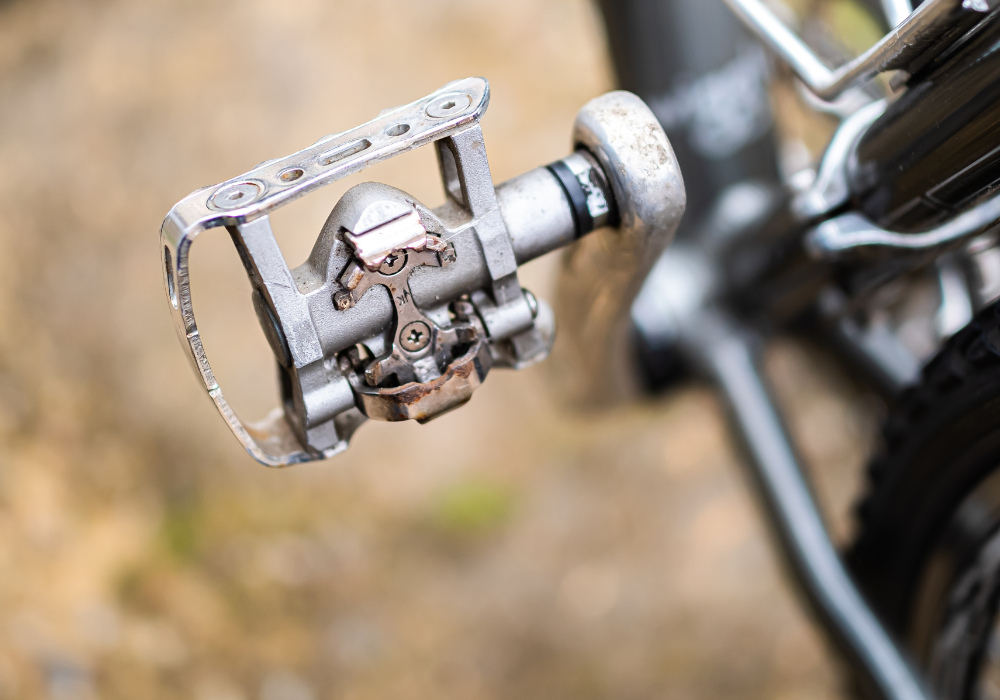 What are the benefits of using SPD pedals on a mountain bike?Read more
Mountain biking is a thrilling sport that demands both power and precision. Every component on your bike plays a role...
-
 Why is a portable phone bracket essential for cyclists?Read more
The open road beckons, promising adventure and exhilarating freedom. For cyclists, the journey isn't just about...
Blog categories
Search in blog
Archived posts
How does a 2-stroke 109cc engine enhance a motorized surfboard?
Understanding 2-Stroke Engines
Two-stroke engines are known for their simplicity and lightweight design. Unlike their four-stroke counterparts, they complete a power cycle in just two strokes – intake and compression/power/exhaust. This streamlined operation results in fewer moving parts and reduced weight, making them ideal for applications where compactness and power-to-weight ratio are crucial, such as motorized surfboards.
Advantages of 2-Stroke Engines for Motorized Surfboards
- Lightweight Design: Two-stroke engines are significantly lighter than four-stroke engines of comparable horsepower. This reduced weight contributes to the overall agility and maneuverability of the surfboard, allowing riders to carve turns effortlessly and respond quickly to changing wave conditions.
- High Power-to-Weight Ratio: Despite their smaller size, 2-stroke engines produce a remarkable amount of power relative to their weight. This translates to impressive acceleration and top speed capabilities for the surfboard, enabling riders to conquer powerful waves and achieve exhilarating speeds.
- Simple Construction: With fewer moving parts, two-stroke engines are simpler to maintain and repair. This can be advantageous for riders who prefer a more hands-on approach to upkeep or those operating in remote locations with limited access to specialized mechanics.
Considerations Regarding 2-Stroke Engines
While 2-stroke engines offer distinct advantages for motorized surfboards, it's important to acknowledge certain considerations:
Fuel Efficiency and Emissions
Two-stroke engines are generally less fuel-efficient than four-stroke engines. Furthermore, they tend to produce higher emissions due to the incomplete combustion process inherent in their design. This can raise environmental concerns, particularly in areas with strict air quality regulations.
Oil Mixing Requirement
A characteristic of 2-stroke engines is the requirement for mixing oil with the fuel. This ensures proper lubrication of the engine's moving parts. While this practice simplifies maintenance, it necessitates careful attention to oil-to-fuel ratios and regular monitoring to prevent engine damage.
Noise Level
Two-stroke engines are often perceived as being louder than four-stroke engines. This can be a factor to consider, especially in areas where noise restrictions apply or riders prioritize a quieter riding experience.
Conclusion
The 2-stroke 109cc engine has become a popular choice for motorized surfboards due to its lightweight design, high power-to-weight ratio, and simplicity. It delivers the exhilarating performance and agility that riders seek in this dynamic watersport. However, it's crucial to be aware of the considerations related to fuel efficiency, emissions, oil mixing, and noise levels when making a decision about powering your motorized surfboard.
Alternative Powertrain Options
While 2-stroke engines remain a prevalent choice for motorized surfboards, advancements in technology have introduced alternative powertrain options that deserve consideration:
- Electric Motors: Electric motors are rapidly gaining traction in various marine applications, including motorized surfboards. They offer several advantages over traditional combustion engines:
- Zero Emissions: Electric motors produce no direct emissions, making them an environmentally friendly option.
- Quiet Operation: They operate silently, reducing noise pollution and enhancing the riding experience for both the rider and those nearby.
- Instant Torque: Electric motors deliver instant torque, providing rapid acceleration and a responsive feel.
- Low Maintenance: With fewer moving parts compared to combustion engines, electric motors generally require less maintenance.
- Hybrid Systems: Some motorized surfboards incorporate hybrid powertrains that combine the benefits of both electric motors and internal combustion engines. These systems often utilize a smaller gasoline engine to charge the battery pack, extending the electric range and providing backup power when needed.
Factors Influencing Powertrain Selection
Choosing the right powertrain for a motorized surfboard depends on various factors:
- Riding Style and Preferences: Different riders have diverse needs and preferences. Thrill-seekers who prioritize speed and performance may gravitate towards high-powered 2-stroke engines, while those seeking a quieter and more environmentally friendly experience might opt for electric motors or hybrids.
- Budget: Electric motors and hybrid systems tend to have a higher upfront cost compared to 2-stroke engines. However, long-term operating costs can be lower due to reduced fuel consumption and maintenance requirements.
- Environmental Considerations: For environmentally conscious riders, electric motors are the clear choice, as they produce zero emissions. Hybrid systems offer a compromise by reducing reliance on fossil fuels.
- Infrastructure Availability: Charging infrastructure for electric surfboards is still developing in many areas. Riders operating in remote locations or without access to charging facilities may find 2-stroke engines more practical.
Future Trends
The future of motorized surfboard powertrains appears to be moving towards cleaner and more sustainable solutions:
- Advancements in Battery Technology: Continued research and development in battery technology are expected to improve the range, power density, and charging speed of electric surfboards.
- Fuel Cell Integration: Hydrogen fuel cell technology has the potential to provide a zero-emission alternative to traditional combustion engines.
- Smart Propulsion Systems: Integrated control systems and software algorithms can optimize power delivery, improve efficiency, and enhance the riding experience.
Leave a comment