
The allure of the mountain trails, with their rugged ascents and exhilarating descents, draws countless adventurers....
Latest posts
-
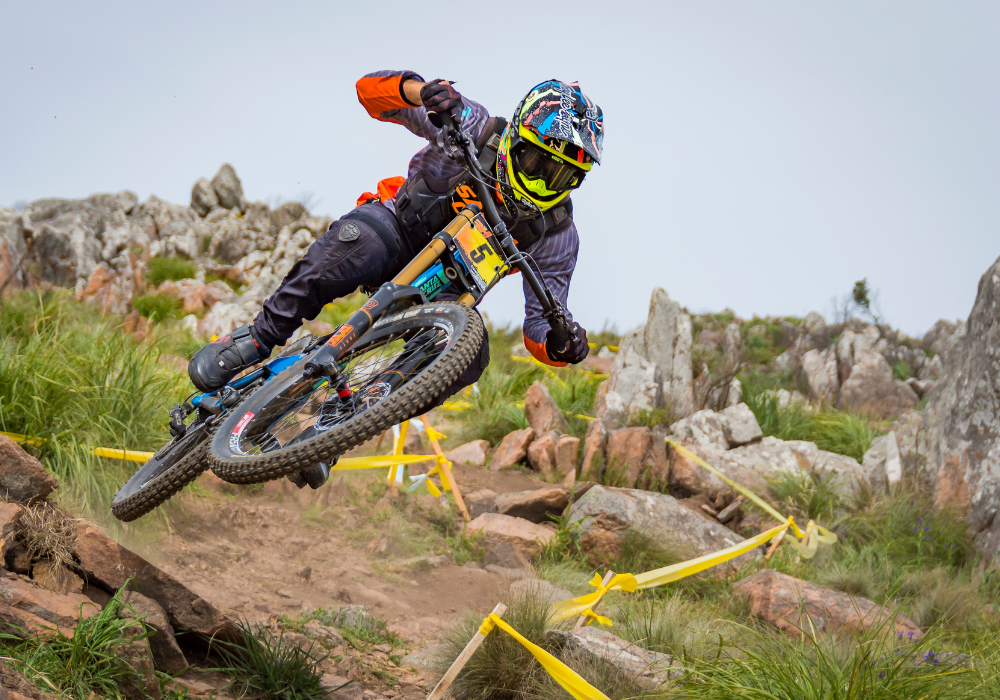 How to choose an all-terrain carbon mountain bike for your adventures?Read more
 -
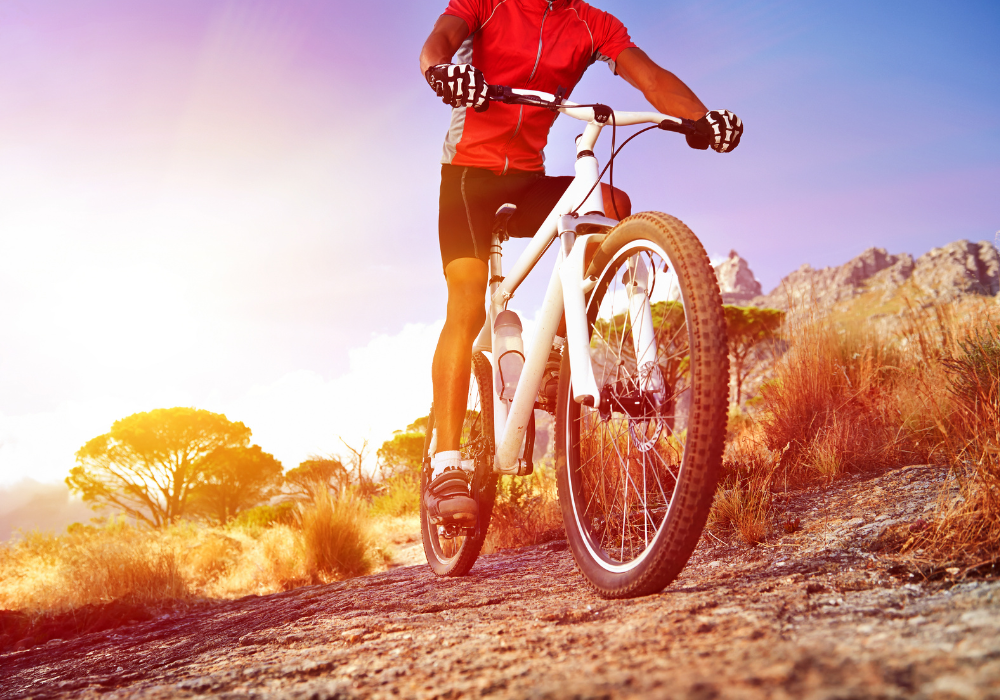 What are the benefits of a shock-absorbing carbon mountain bike?Read more
Mountain biking is a thrilling sport that demands both physical prowess and specialized equipment. One key component...
-
 How to select a racing road bike for maximum performance?Read more
The thrill of speed, the wind whipping past your face, and the satisfying burn in your legs - cycling is a pursuit...
-
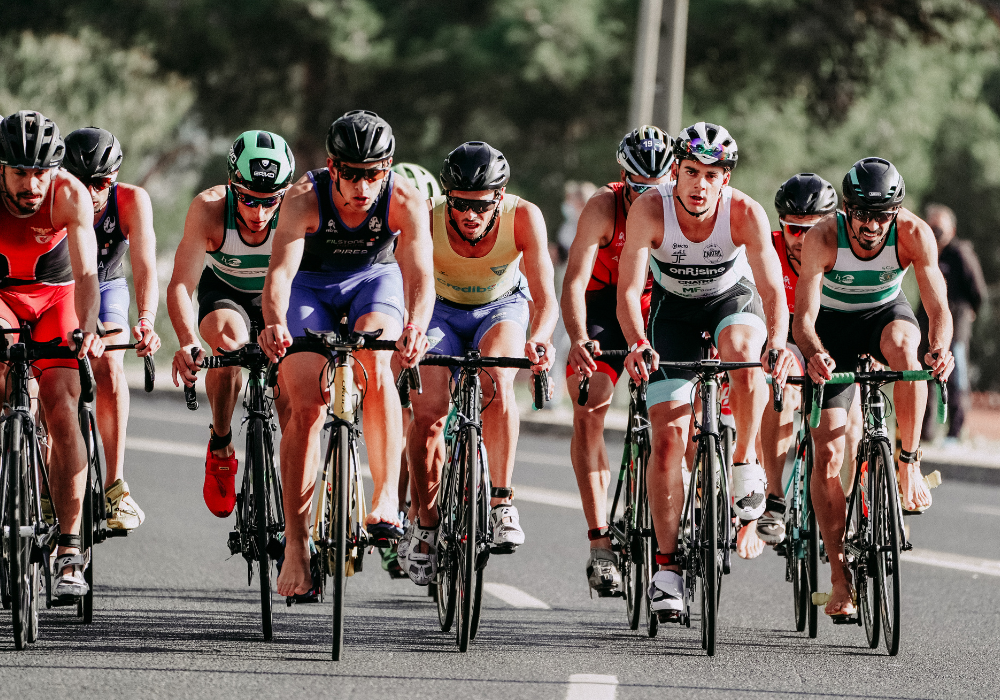 What makes a carbon road bike ideal for competitive cycling?Read more
The world of competitive cycling is a demanding one, where fractions of a second can mean the difference between...
-
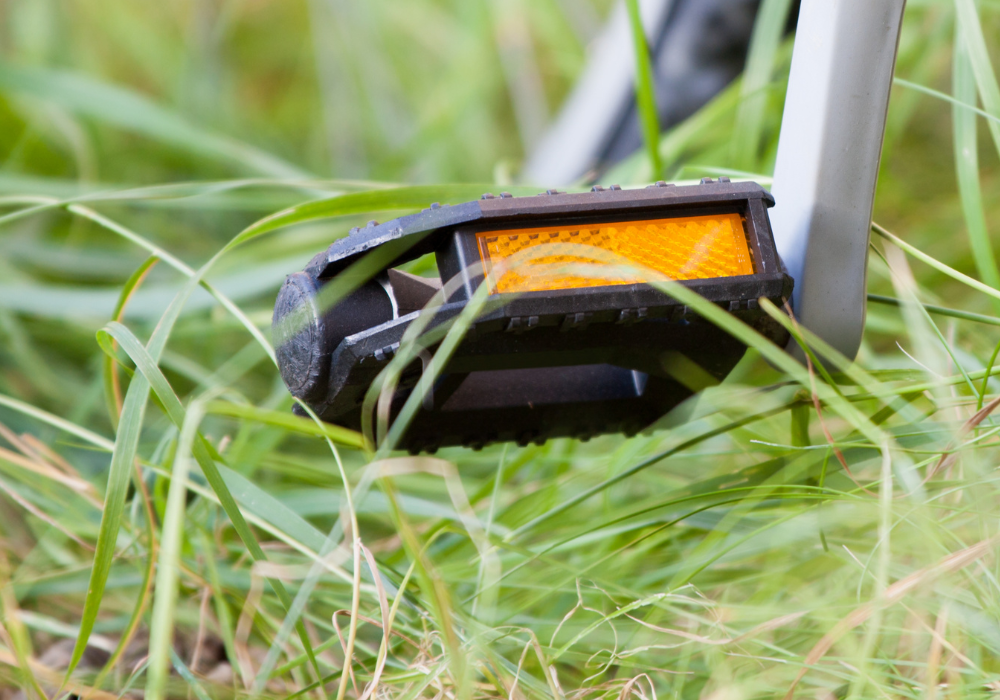 Are clip-on pedals with reflectors worth it for mountain biking?Read more
Mountain biking is a thrilling sport that takes you off the beaten path and onto rugged trails. But as with any...
-
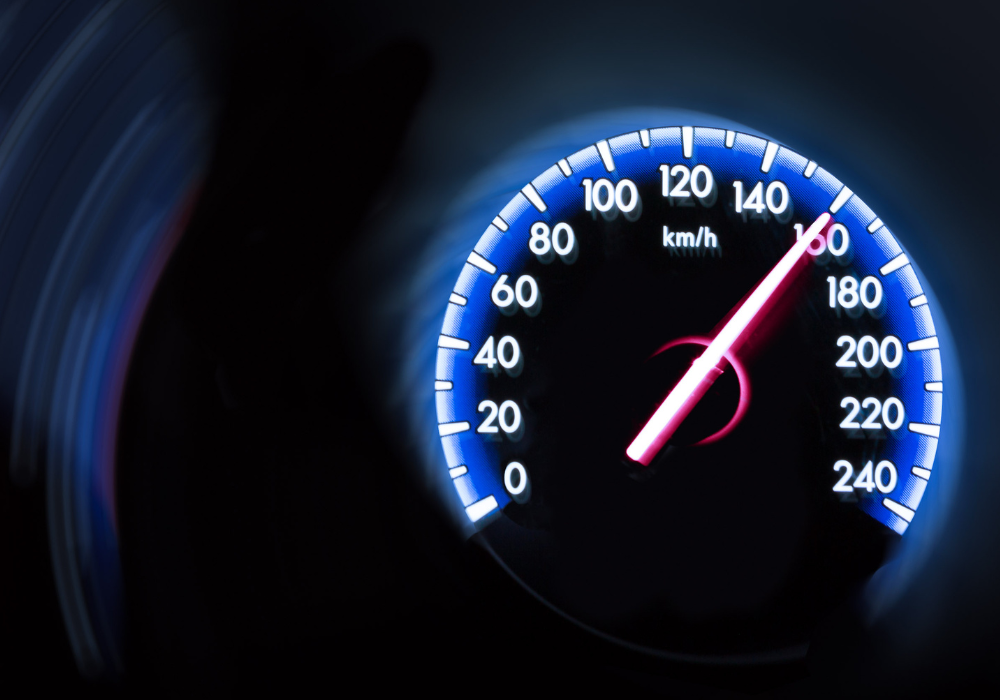 What is the purpose of a speedometer rack mount for road bikes?Read more
When it comes to cycling, knowing your speed is more than just a bragging right. It's crucial for safety,...
-
 Why are carbon fiber fenders a good choice for bicycles?Read more
For cyclists seeking to improve their bike's performance and aesthetics, carbon fiber components are often a top...
-
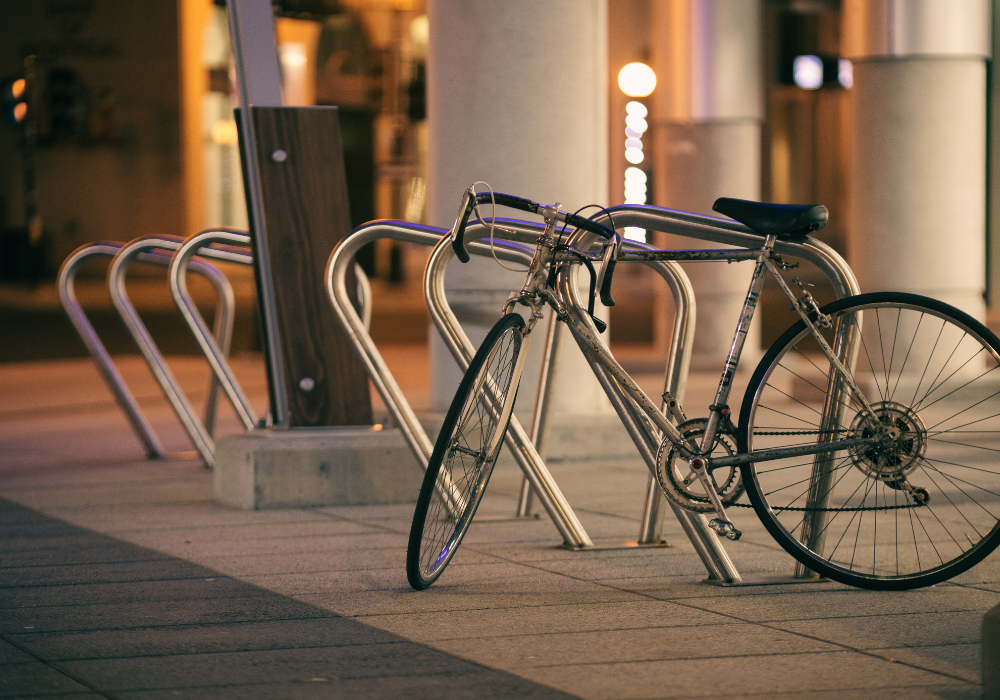 How to choose the right bicycle parking stand for your bike?Read more
Protecting your bicycle from the elements and theft is crucial, especially if you ride frequently. A sturdy bike...
-
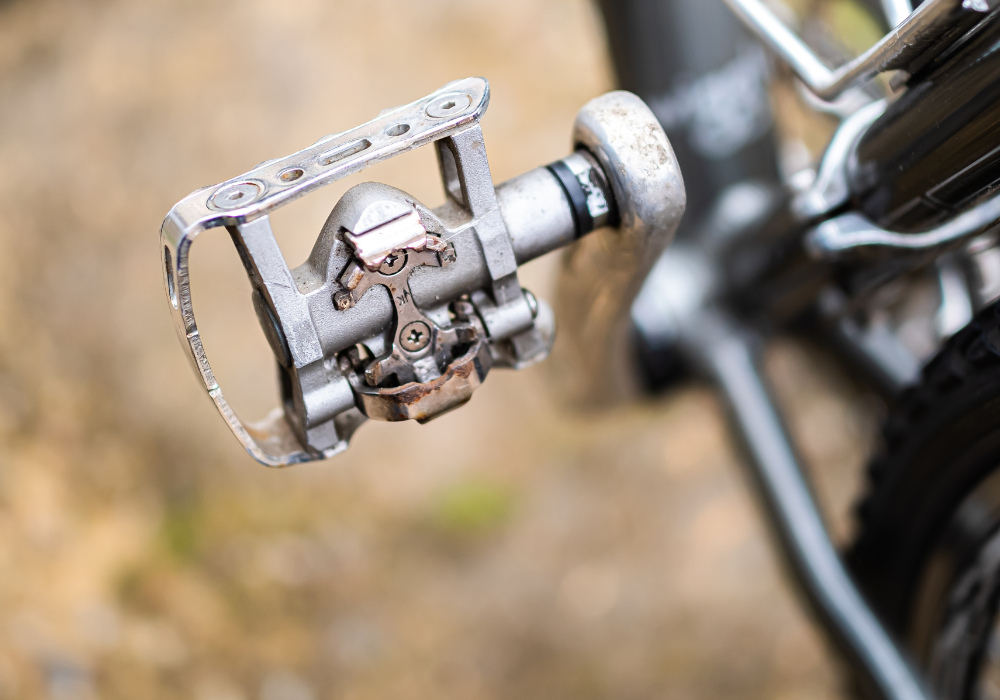 What are the benefits of using SPD pedals on a mountain bike?Read more
Mountain biking is a thrilling sport that demands both power and precision. Every component on your bike plays a role...
-
 Why is a portable phone bracket essential for cyclists?Read more
The open road beckons, promising adventure and exhilarating freedom. For cyclists, the journey isn't just about...
Blog categories
Search in blog
Archived posts
How to choose the right carbon fiber road bike for long-distance rides?
Frame Geometry: Finding Your Perfect Fit
A well-suited frame geometry is paramount for both comfort and efficiency over long distances. When considering frame size, it's essential to get measured properly by a qualified bike fitter. This will ensure the bike aligns with your body proportions and riding style.
- Reach: The horizontal distance from the bottom bracket to the center of the head tube. A longer reach generally suits taller riders, while a shorter reach is better for shorter riders.
- Stack: The vertical distance from the bottom bracket to the top of the head tube. A higher stack offers more upright riding position, which can be more comfortable for extended periods, whereas a lower stack promotes a more aggressive, aerodynamic stance.
- Chainstay Length: The distance between the bottom bracket and the rear axle. Shorter chainstays often contribute to quicker acceleration and handling, while longer chainstays tend to provide more stability at higher speeds.
Wheel Size: Rolling Efficiency
The choice of wheel size can significantly impact your overall riding experience on long distances. While 700c wheels remain the most common standard, some riders prefer the advantages offered by larger diameter wheels, such as those found in 650b or even mountain bike setups.
Tire Choice: Cushioning Your Ride
Selecting the right tires is crucial for comfort and performance on long-distance rides. Wider tires (typically 25mm to 32mm) provide a larger contact patch with the road, leading to improved grip and cushioning.
Considerations for Tire Selection
- Tread Pattern: Smooth tread patterns are generally preferred for paved roads, while knobby tread designs are better suited for gravel or off-road terrain.
- Compound: Softer rubber compounds offer greater grip but wear down faster. Harder compounds provide longer lifespan but may sacrifice some grip.
Component Selection: Fine-Tuning Your Performance
Groupset components, including derailleurs, shifters, and brakes, play a vital role in the overall performance of your bike. Opting for reputable brands with proven reliability is essential for long-distance riding.
Saddle Choice: Comfort is Key
Investing in a comfortable saddle can significantly impact your enjoyment on long rides. Your saddle should provide adequate padding and support to prevent discomfort and numbness in the pelvic area.
Finding the Right Saddle
- Shape: Different saddles cater to various body types and riding styles. Consider trying out different shapes to find one that suits you best.
- Padding: The amount of padding will vary depending on your preference. Thicker padding offers more cushioning, while thinner padding can provide a more responsive feel.
Maintenance and Care: Ensuring Longevity
Regularly maintaining your carbon fiber road bike is crucial to ensure its longevity and optimal performance. This includes cleaning the frame, lubricating moving parts, checking tire pressure, and performing periodic tune-ups by a qualified mechanic.
Fit: Finding Your Perfect Position
A proper bike fit is essential for comfort and efficiency on long rides. Your position should allow you to maintain a neutral spine, engage your core muscles, and achieve a comfortable reach to the handlebars.
Key Fit Considerations
- Seat Height: Adjust your seat height so that your leg is fully extended at the bottom of the pedal stroke. A slight bend in the knee should remain.
- Handlebar Position: Experiment with different handlebar positions to find a comfortable reach and drop. Consider using adjustable stems or handlebars for fine-tuning.
- Cleat Placement: If you're using clipless pedals, ensure your cleats are positioned correctly on your shoes to promote even weight distribution and power transfer.
Gear Selection: Optimizing Your Ride
Choosing the right gears can make a significant difference in tackling various terrain and maintaining consistent cadence. Carbon fiber bikes often come equipped with a wide gear range, allowing for both climbing efficiency and high-speed cruising.
Understanding Gearing
- Front Chainrings: A larger chainring provides higher gearing for faster speeds on flat terrain. A smaller chainring is beneficial for climbing hills.
- Rear Cassette: The cassette features a range of sprockets, each offering different gear ratios. Choose a cassette with a wide spread to cover various terrain types.
Training and Preparation
To maximize your enjoyment and safety on long-distance rides, adequate training and preparation are essential. Gradual increases in ride duration and intensity will help build endurance and prevent injury.
Training Tips
- Start Slowly: Begin with shorter rides and gradually increase the distance and time over several weeks.
- Include Hills: Incorporate hill training into your routine to strengthen leg muscles and improve climbing ability.
- Rest and Recovery: Allow for adequate rest days between rides to allow your body to repair and rebuild muscle tissue.
Nutrition and Hydration
Proper nutrition and hydration are crucial for maintaining energy levels and preventing fatigue on long rides. Plan your meals and snacks in advance to ensure you're fueling your body effectively.
Hydration Strategies
- Drink Regularly: Stay hydrated by sipping water or electrolyte beverages consistently throughout your ride.
- Carry Water Bottles: Invest in a bike with bottle cages and carry enough water to meet your needs.
Safety First
Prioritize safety on every ride. Always wear a helmet, follow traffic laws, and be aware of your surroundings.
Essential Safety Gear
- Helmet: A properly fitted helmet is essential for protecting your head in case of an accident.
- High-Visibility Clothing: Wear bright clothing or reflective gear, especially during low-light conditions.
- Lights: Equip your bike with front and rear lights for enhanced visibility at night.
Leave a comment