
The allure of the mountain trails, with their rugged ascents and exhilarating descents, draws countless adventurers....
Latest posts
-
 How to choose an all-terrain carbon mountain bike for your adventures?Read more
 -
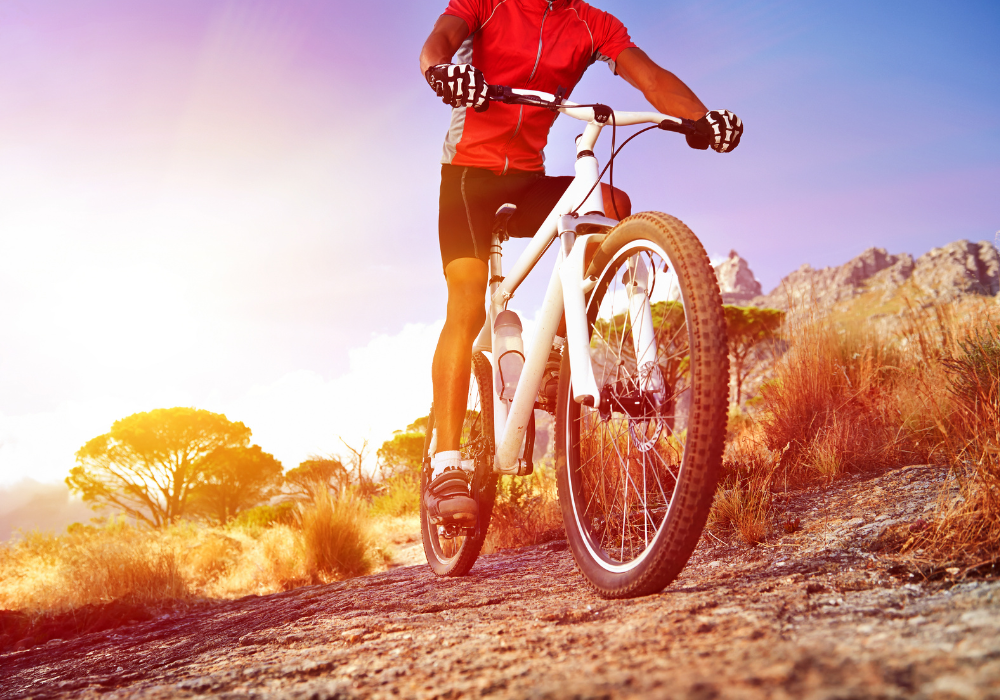 What are the benefits of a shock-absorbing carbon mountain bike?Read more
Mountain biking is a thrilling sport that demands both physical prowess and specialized equipment. One key component...
-
 How to select a racing road bike for maximum performance?Read more
The thrill of speed, the wind whipping past your face, and the satisfying burn in your legs - cycling is a pursuit...
-
 What makes a carbon road bike ideal for competitive cycling?Read more
The world of competitive cycling is a demanding one, where fractions of a second can mean the difference between...
-
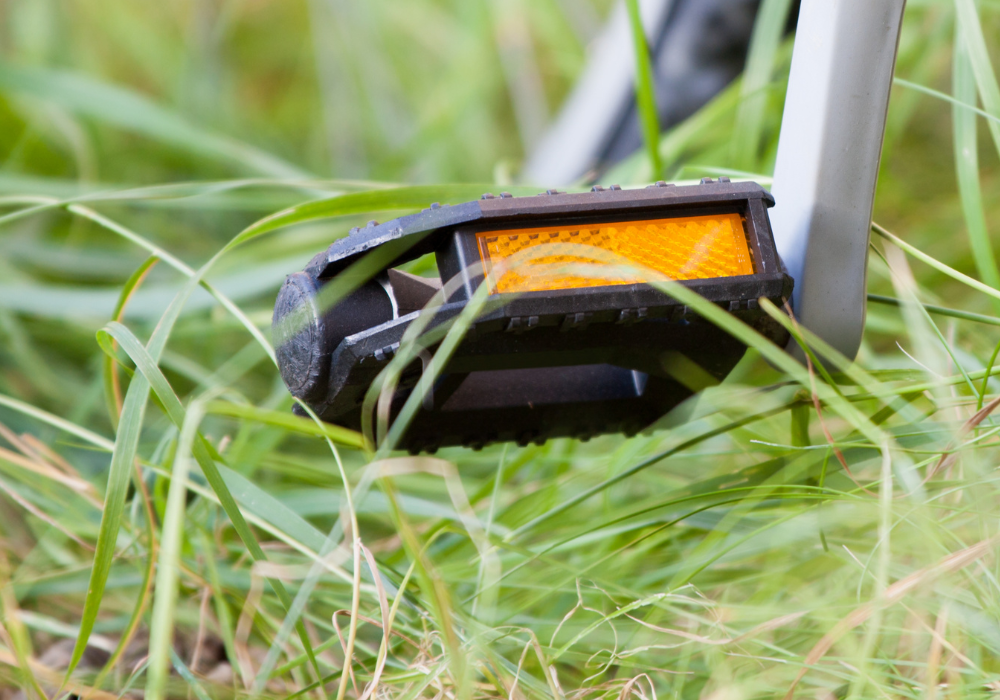 Are clip-on pedals with reflectors worth it for mountain biking?Read more
Mountain biking is a thrilling sport that takes you off the beaten path and onto rugged trails. But as with any...
-
 What is the purpose of a speedometer rack mount for road bikes?Read more
When it comes to cycling, knowing your speed is more than just a bragging right. It's crucial for safety,...
-
 Why are carbon fiber fenders a good choice for bicycles?Read more
For cyclists seeking to improve their bike's performance and aesthetics, carbon fiber components are often a top...
-
 How to choose the right bicycle parking stand for your bike?Read more
Protecting your bicycle from the elements and theft is crucial, especially if you ride frequently. A sturdy bike...
-
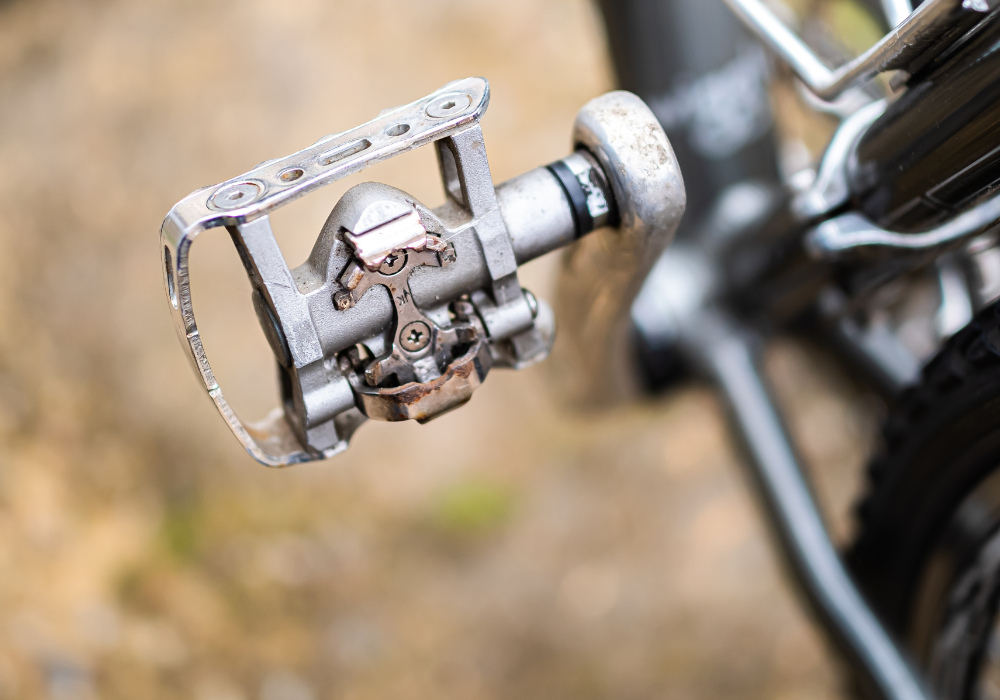 What are the benefits of using SPD pedals on a mountain bike?Read more
Mountain biking is a thrilling sport that demands both power and precision. Every component on your bike plays a role...
-
 Why is a portable phone bracket essential for cyclists?Read more
The open road beckons, promising adventure and exhilarating freedom. For cyclists, the journey isn't just about...
Blog categories
Search in blog
Archived posts
What are the key features to look for in a 2025 gravel bike?
Frame Geometry & Construction
The frame of a gravel bike is its foundation, dictating its handling characteristics and overall ride feel. Look for a frame geometry that strikes a balance between stability at speed and maneuverability on technical terrain.
- Stack Height: A taller stack height provides more upright riding position, offering comfort on long rides and better visibility.
- Reach: A longer reach creates a more stretched-out position, promoting stability at speed and efficient power transfer.
- Wheelbase: A longer wheelbase enhances stability, particularly on rough terrain, while a shorter wheelbase allows for quicker handling.
Frame construction materials play a significant role in weight, stiffness, and durability. Aluminum frames offer affordability and durability, while carbon fiber frames prioritize lightweight performance.
Tire Clearance & Compatibility
Gravel bikes are designed to handle a wide range of terrain, from smooth dirt roads to rugged trails. Generous tire clearance is essential for accommodating larger volume tires that provide increased comfort, traction, and puncture resistance.
Consider the type of riding you'll be doing and choose a frame with appropriate tire clearance. Look for bikes that can accommodate at least 40mm wide tires for all-around versatility.
Drivetrain & Shifting Performance
The drivetrain is responsible for transferring power from the pedals to the rear wheel. A reliable and efficient drivetrain will ensure smooth shifting and optimal performance on varied terrain.
Groupset Selection
Gravel bike groupsets typically offer a wide gear range, allowing you to tackle challenging climbs and maintain momentum on descents. Look for groupsets with at least 32 teeth in the rear cassette to provide sufficient low gears for steep hills.
Chainring Options
Consider your riding style when choosing chainring sizes. Riders who focus on climbing may prefer a smaller chainring (e.g., 40T or smaller), while those who prioritize speed on smoother surfaces might opt for larger chainrings (e.g., 48T or larger).
Suspension Systems
While many gravel bikes are designed without suspension, some models incorporate front suspension systems to absorb bumps and improve comfort on rough terrain.
Hardtail vs. Full Suspension
Hardtail gravel bikes feature only a front fork with suspension, providing a balance of compliance and efficiency. Full-suspension gravel bikes offer both front and rear suspension, delivering maximum comfort and control on challenging trails but often at a higher weight penalty.
Braking Systems
Reliable braking is crucial for safe descending and confident handling in all conditions. Disc brakes have become the standard on modern gravel bikes due to their superior stopping power, modulation, and performance in wet or muddy conditions.
Wheels and Tires
Gravel bike wheels are designed to be durable and capable of handling a variety of terrain conditions. They typically feature wider rims (around 25mm internal width) to accommodate larger volume tires, which offer improved comfort, traction, and puncture resistance.
Rim Material
Common rim materials include aluminum, carbon fiber, and alloy blends. Aluminum is the most affordable option and offers good durability, while carbon fiber rims are lighter and more responsive but often pricier. Alloy blends combine the strengths of both materials.
Spoke Count
Spoke count influences wheel stiffness and weight. A higher spoke count generally results in a stiffer wheel, which can be beneficial for riders who prioritize pedaling efficiency and stability at high speeds. However, wheels with fewer spokes tend to be lighter.
Frame Materials and Design
The frame material significantly impacts the bike's overall performance, weight, and durability.
Aluminum Frames
Aluminum frames are known for their affordability, durability, and lightweight construction. They offer a good balance of performance and value.
Steel Frames
Steel frames are renowned for their strength, longevity, and ability to absorb vibrations, providing a comfortable ride. However, they tend to be heavier than aluminum or carbon fiber frames.
Carbon Fiber Frames
Carbon fiber frames offer the lightest weight and stiffness, resulting in exceptional performance and responsiveness. They are often found on high-end gravel bikes but come at a premium price.
Geometry and Fit
Gravel bike geometry prioritizes versatility and comfort for various riding styles.
Stack and Reach
The stack (vertical distance from the bottom bracket to the top of the head tube) and reach (horizontal distance from the bottom bracket to the center of the head tube) measurements determine the bike's size and fit. A higher stack typically provides a more upright riding position, while a longer reach creates a more stretched-out feel.
Headtube Angle
The headtube angle (the angle between the head tube and the ground) influences the bike's handling. A steeper headtube angle provides quicker and more responsive steering, while a slacker angle promotes stability at higher speeds.
Additional Features
Many gravel bikes come equipped with various features to enhance performance and comfort.
Internal Cable Routing
Internal cable routing channels cables within the frame, reducing friction, improving aesthetics, and protecting cables from the elements.
Mudguards and Fenders
Mudguards or fenders protect riders and components from dirt, mud, and debris. They are particularly beneficial for riding in wet or muddy conditions.
Rack Mounts
Rack mounts allow you to attach rear racks for carrying gear and luggage on longer adventures.
Posted in:
Default category
Leave a comment